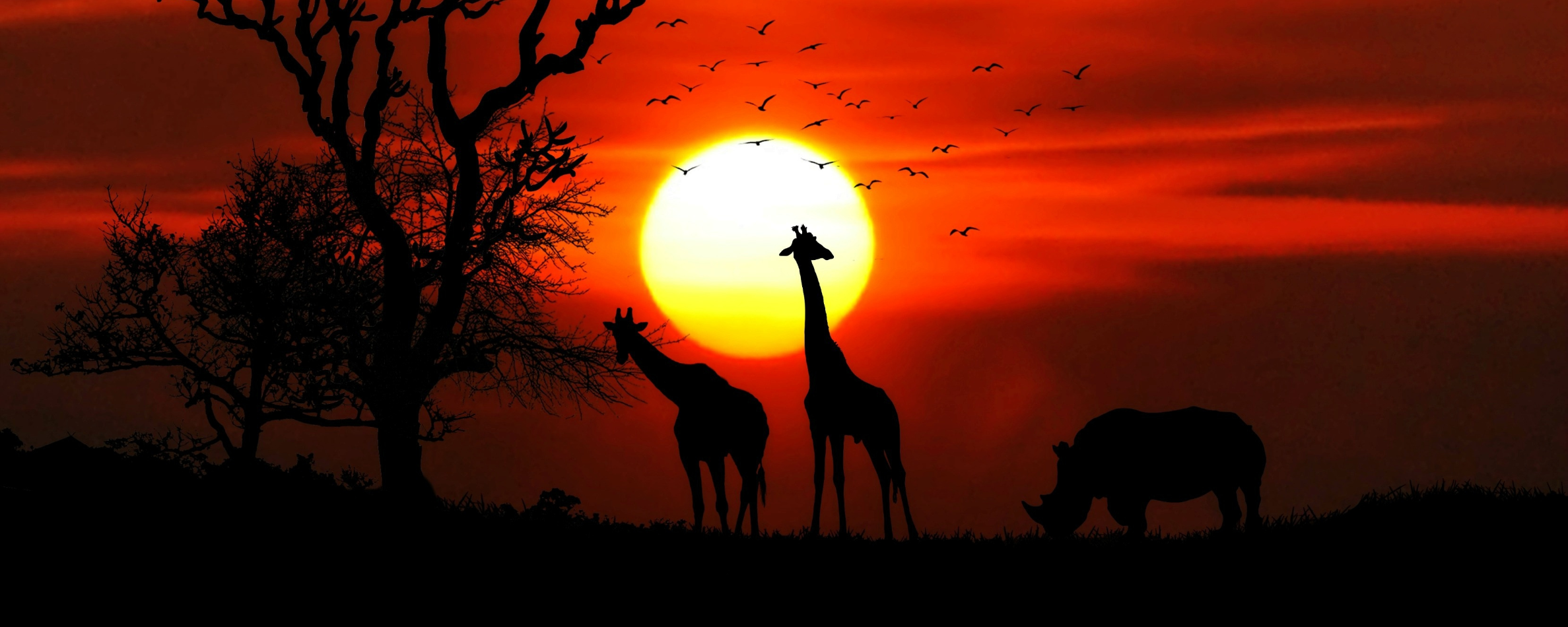
Your first safari often begins long before the first game drive: a golden sunrise imagined over acacia trees, the low rumble of a lion somewhere beyond camp, and the question every first-time traveler eventually asks: where do we start?
At Simbali Wild Safaris, we have spent more than 12 years helping travelers turn that dream into a smooth, personal East African journey. This guide walks you through the decisions that matter most, from destination and timing to budget, packing, and the rhythm of safari days.

Start With The Right Destination
East Africa is wonderfully varied, so the best first safari destination depends on the experience you want most.
- ▶Kenya is ideal for classic Big Five game drives, Maasai Mara drama, strong safari infrastructure, and easy bush-and-beach combinations.
- ▶Tanzania suits travelers drawn to vast wilderness, the Serengeti, Ngorongoro Crater, Tarangire elephants, and a more expansive northern circuit.
- ▶Uganda is for primate lovers who want gorilla trekking, chimpanzees, lush forests, and a more off-the-beaten-path feel.
- ▶Rwanda offers polished, premium gorilla trekking with excellent access to Volcanoes National Park and rolling highland scenery.
"For many first-time guests, the sweet spot is Kenya, Tanzania, or a Kenya-Tanzania combination that brings together Maasai Mara, Serengeti, Ngorongoro, and Amboseli-style scenery in one journey."
Choose Your Season With Intention
There is no single bad time to go on safari, but each season changes the mood of the journey.
- ▶June to October: Dry-season wildlife viewing, easier road conditions, busy parks, and strong chances of seeing animals gathered near water.
- ▶November to December: Short rains, fresh green landscapes, fewer crowds, and excellent value for flexible travelers.
- ▶January to March: Calving season in parts of the Serengeti ecosystem, with newborn animals and high predator activity.
- ▶April to May: Long rains, lush scenery, quieter lodges, and the lowest prices, though some camps may close.

Decide How Long To Travel
A first safari should feel rich, not rushed. Five or six days can work for one focused region, but eight to ten days is a more comfortable length for Kenya or Tanzania. If you want both countries, plan for 11 to 14 days so the journey has space to breathe.
- ▶8 days in Kenya works beautifully for Samburu, Ol Pejeta, Lake Naivasha, Lake Nakuru, Amboseli, or Maasai Mara combinations.
- ▶8 days in Tanzania gives time for Tarangire, Ngorongoro, and the Serengeti without feeling thin.
- ▶11 days across Kenya and Tanzania is ideal for travelers who want the sweep of the Maasai Mara, Serengeti, Ngorongoro, and Amboseli in one itinerary.
- ▶Two or three extra days can add gorilla trekking in Uganda or Rwanda, or a beach extension in Zanzibar, Diani, or Watamu.
Understand Safari Costs
Safari pricing reflects park fees, private guiding, vehicle quality, lodge standards, location, season, and how much flying versus driving is involved. As a planning guide, expect budget group safaris from about $250 to $400 per person per day, mid-range private safaris from $400 to $700, luxury safaris from $700 to $1,500+, and ultra-luxury camps beyond that.
Most safari packages include accommodation, meals, park fees, guide, vehicle, and planned transfers. International flights, visas, tips, premium drinks, travel insurance, and optional activities such as balloon safaris are usually separate.
Pick The Experiences That Fit You
- ▶Game drives are the foundation: early mornings, late afternoons, and sometimes full-day drives with picnic lunches.
- ▶Walking safaris slow the pace and reveal tracks, plants, insects, and the small signs guides read so well.
- ▶Hot air balloon safaris add a sunrise view over the Maasai Mara or Serengeti plains.
- ▶Night drives are possible in select conservancies and reveal nocturnal wildlife.
- ▶Cultural visits add meaningful context when they are respectful, community-led, and not rushed.
- ▶Gorilla or chimp trekking turns a classic safari into a broader East African wildlife journey.

Pack Light, Practical, And Neutral
- ▶Neutral clothing in khaki, olive, beige, or soft earth tones.
- ▶Light layers for cold dawn drives and warm midday conditions.
- ▶Comfortable walking shoes plus relaxed sandals for camp.
- ▶Binoculars, ideally 8x42, so every guest can enjoy sightings without waiting for a shared pair.
- ▶Camera gear with spare batteries, memory cards, and a dust-safe bag.
- ▶Sunscreen, insect repellent, personal medication, and basic first aid.
- ▶Passport with at least six months validity, travel insurance, eVisa documents where required, and yellow fever certificate if applicable.
- ▶Soft-sided luggage if your itinerary includes light aircraft flights.
Know The Rhythm Of A Safari Day
Safari days begin early because the light is beautiful and animals are active. A typical day might start with a 5:30 AM wake-up, coffee or tea, and a morning game drive. You return for breakfast, rest through the warmer hours, enjoy lunch or pool time, then head out again in the afternoon for another drive and a sundowner stop.
Evenings are simple and memorable: dinner, stars, campfire conversation, and an early night because tomorrow begins with the same quiet excitement.
First-Time Safari Tips
- ▶Book with a reputable operator that understands your travel style, pace, and budget.
- ▶Be patient; unforgettable sightings often come after quiet stretches.
- ▶Listen to your guide; great guiding is the difference between seeing animals and understanding the bush.
- ▶Avoid over-scheduling. Downtime is part of the luxury.
- ▶Carry cash for tips, commonly $10 to $20 per guest per day for a guide and $5 to $10 per day for camp staff.
- ▶Choose travel insurance that includes medical evacuation cover.
A Gentle Place To Begin
Your first safari does not need to be complicated. It needs thoughtful routing, honest advice, good guiding, and enough time for the wilderness to work its quiet magic.
Ready to plan your first African safari? Contact Simbali Wild Safaris for a free, no-obligation consultation. We will help you choose the right country, season, lodge style, and itinerary so your first safari feels personal from the very first conversation.